Introduction
Program Outline
Air Navigation
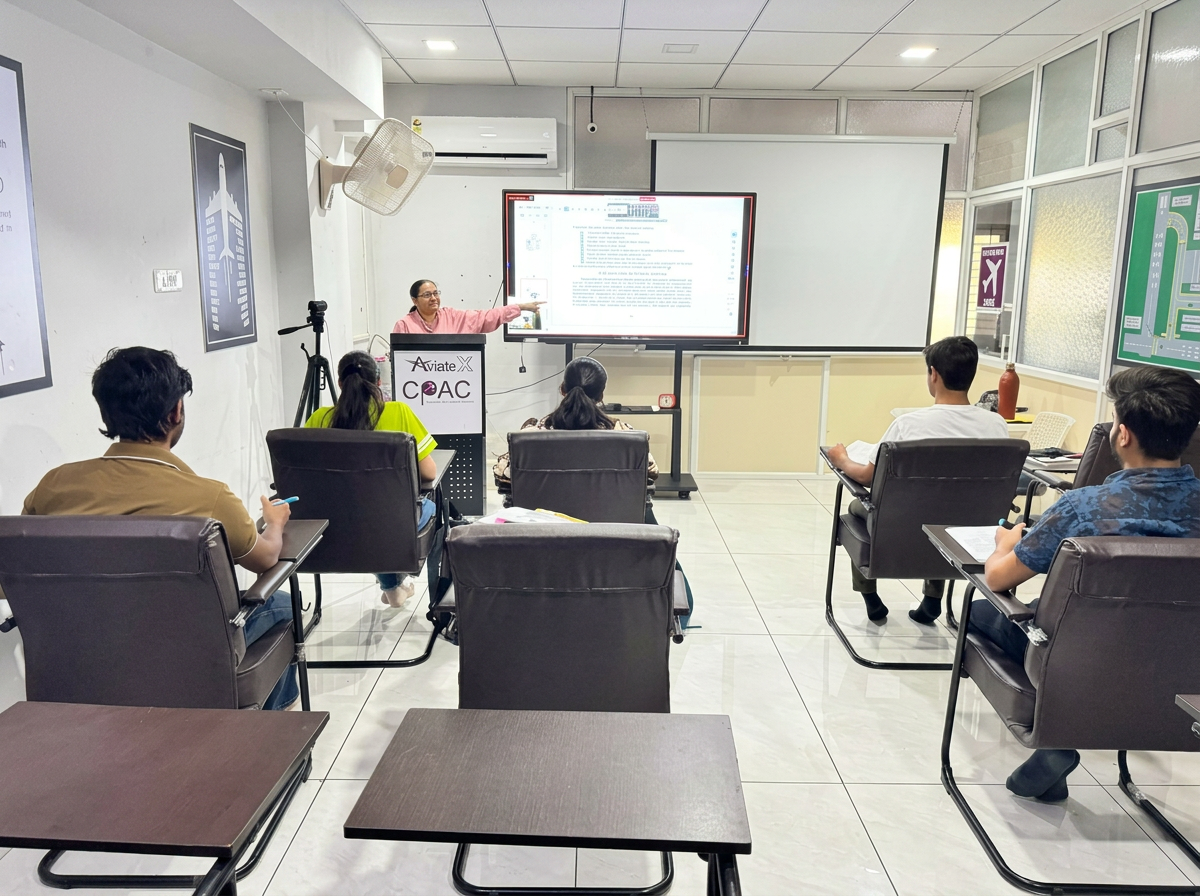
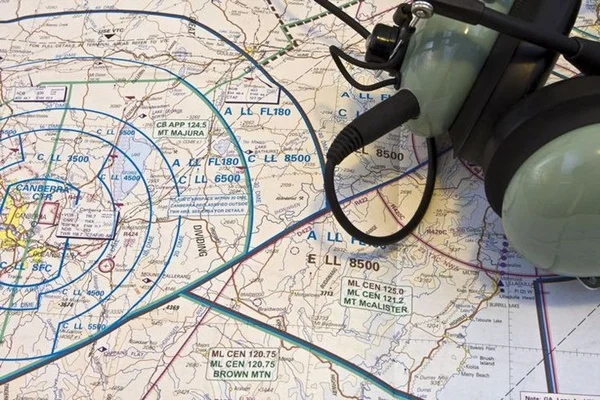
Understanding air navigation is crucial for every pilot. This subject covers map reading, calculating aircraft positions, routes, and fuel requirements, and ensuring safe flight paths. Students gain skills to interpret charts and effectively navigate the skies under both visual and instrument conditions.
EnquireAviation Meteorology
Meteorology teaches pilots to predict and understand weather patterns, which is critical for flight safety. It covers the principles of atmosphere, wind patterns, clouds, storms, and climate conditions that can impact flights, enabling students to make informed decisions based on real-time weather reports.
Enquire
Air Regulation
Air Regulation educates pilots about the policies governing aviation operations. It covers the rules of the air, air traffic services, and responsibilities of the pilot. Mastery of this subject ensures pilots operate within both national and international legal standards.
EnquireTechnical General
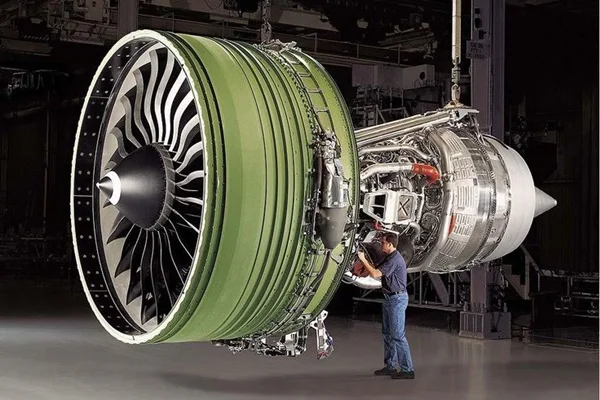
In Technical General, students gain insight into aircraft systems, engines, instrumentation, and flight mechanics. This subject lays the foundation for understanding how an aircraft operates, ensuring pilots are equipped with knowledge about the essential technicalities that keep a plane in the air.
Enquire
RTR (A)
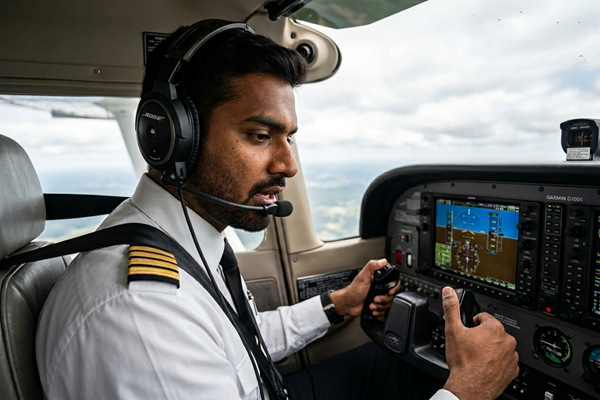
RTR (A) prepares aspiring pilots to handle aircraft radio communication with confidence and accuracy. The subject emphasizes the correct use of aviation terminology, communication etiquette, and coordination with Air Traffic Control during different phases of flight.
Students practice structured message delivery, read-backs, and handling abnormal or emergency communication situations. Mastery of RTR ensures pilots maintain clear, professional, and standardized communication in controlled airspace.
EnquireTechnical Specific
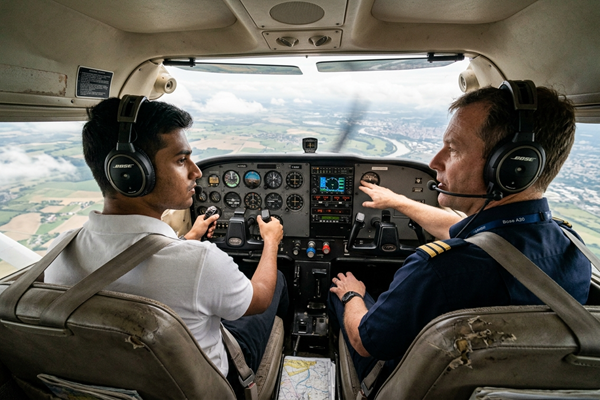
Technical Specific focuses on understanding the operational details of a particular aircraft model. Students explore aircraft systems, cockpit controls, operational limitations, and normal as well as abnormal procedures related to that aircraft.
This subject helps pilots develop familiarity with the aircraft they will operate and strengthens their ability to manage systems during flight. A solid grasp of Technical Specific knowledge supports safe operation and effective aircraft management in real flight conditions.
Enquire
Protect your aviation career now!
Send in an inquiry to get your Pilot experience started. Experience the infrastructure and capabilities of CPAC's premier flying training facility by visiting the Academy.
Enquire