Aviation meteorology is one of the most important subjects for pilots. Weather conditions directly influence flight safety, aircraft performance, and operational decision-making. Understanding atmospheric phenomena enables pilots to avoid hazardous weather and operate aircraft safely.
For Commercial Pilot License (CPL) students preparing for DGCA examinations, meteorology is not only an academic subject but also a practical skill required throughout a pilot’s career.
What is Aviation Meteorology?
Aviation meteorology studies atmospheric conditions and their impact on aircraft operations. It includes the analysis of pressure systems, winds, clouds, turbulence, icing and visibility.
- Flight route planning
- Fuel calculation
- Altitude selection
- Weather hazard avoidance
Importance of Meteorology in Aviation
1. Flight Safety
Hazardous weather conditions such as thunderstorms, turbulence, icing and low visibility can create dangerous flying environments. Meteorological knowledge helps pilots identify and avoid these conditions.
2. Efficient Flight Planning
Understanding wind systems and jet streams allows pilots to optimize routes, reducing fuel consumption and improving efficiency.
3. Operational Decision Making
Pilots continuously analyze weather information before departure and during flight to ensure safe operations.
4. Compliance with Aviation Regulations
Civil aviation authorities such as DGCA require pilots to interpret weather reports and operate within defined meteorological limits.
Key Meteorological Concepts for Pilots
Atmospheric Structure
The atmosphere consists of several layers including the troposphere, stratosphere, mesosphere and thermosphere. Most aviation weather occurs within the troposphere.
Pressure Systems and Wind
- Headwind – reduces aircraft ground speed
- Tailwind – increases aircraft ground speed
- Crosswind – affects takeoff and landing control
Cloud Types Important for Aviation
- Cumulus – fair weather clouds that may develop into storms
- Stratus – layered clouds causing poor visibility
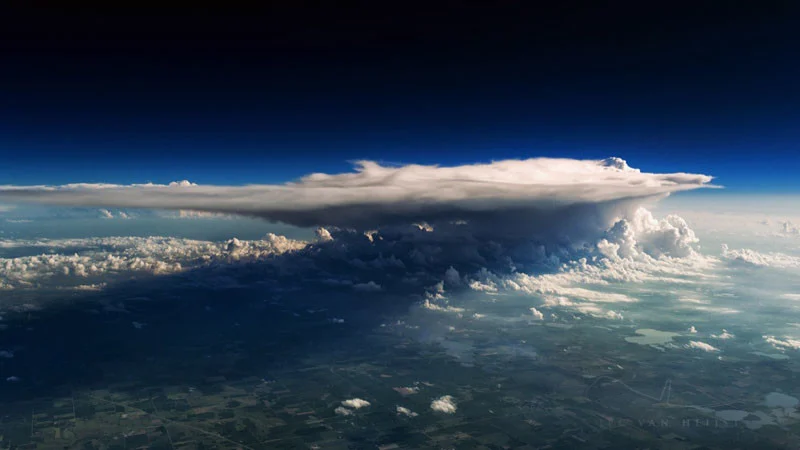
- Cumulonimbus – thunderstorm clouds producing turbulence and lightning
Visibility and Fog
- Radiation Fog
- Advection Fog
- Upslope Fog
- Steam Fog
Turbulence
- Clear Air Turbulence (CAT)
- Mechanical Turbulence
- Convective Turbulence
- Mountain Wave Turbulence
Aircraft Icing
- Clear Ice
- Rime Ice
- Mixed Ice
Aviation Weather Reports
METAR
METAR provides the current weather observation at an airport including wind, visibility, temperature and cloud conditions.
TAF
TAF is a forecast of expected weather conditions at an airport for a specified period.
SIGMET
SIGMET warns pilots about significant weather hazards such as severe turbulence, thunderstorms and icing.
AIRMET
AIRMET provides advisory information about weather conditions that may affect aircraft safety.
Aviation Meteorology for DGCA CPL Students
Meteorology is a major subject in the DGCA CPL ground training syllabus. Students must understand atmospheric stability, air masses, fronts, jet streams and aviation weather charts.
Strong conceptual understanding helps students succeed in DGCA examinations and operate aircraft safely in real-world conditions.
Start Your Pilot Training with CPAC
Captain Preeti Aviation Classes provides DGCA CPL ground training with experienced aviation instructors.
https://cpacpilots.com
+91 7999854151
cpacpilots@gmail.com
Frequently Asked Questions (FAQs)
1. Why is Aviation Meteorology important for pilots?
Aviation Meteorology is important because weather directly affects flight safety, aircraft performance, and decision-making. Pilots use meteorological knowledge to avoid hazards like turbulence, icing, and thunderstorms.
2. What are the most important meteorology topics for DGCA CPL?
Important topics include atmospheric structure, pressure systems, winds, clouds, turbulence, icing, visibility, and aviation weather reports like METAR and TAF.
3. What is the difference between METAR and TAF?
METAR provides current weather conditions at an airport, while TAF gives a forecast of expected weather conditions for a specific time period.
4. What types of clouds are dangerous for aviation?
Cumulonimbus clouds are the most dangerous as they are associated with thunderstorms, heavy turbulence, lightning, and severe weather conditions.
5. How can I prepare for DGCA Aviation Meteorology?
Focus on understanding concepts like atmospheric layers, wind systems, cloud formation, and weather reports. Regular revision and practicing DGCA-style questions are key to success.
