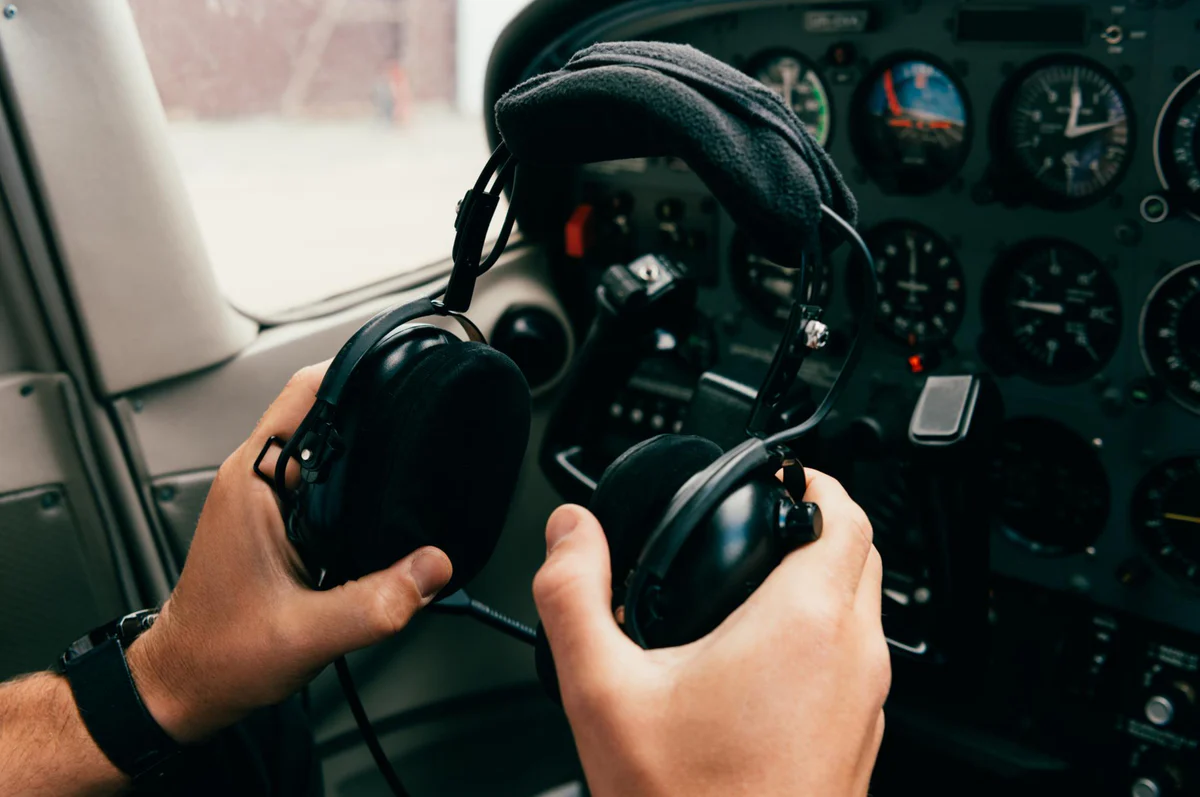
The Radio Telephony Restricted (Aeronautical) examination, commonly known as RTR(A), is a mandatory certification for pilots who operate aircraft radio communication equipment. Traditionally, the examination was conducted by the Wireless Planning and Coordination (WPC) Wing under the Ministry of Communications, Government of India.
In recent regulatory developments, the Directorate General of Civil Aviation (DGCA) has started the exam and radiotelephony certification process into the pilot licensing framework. The examination continues to be commonly known as RTR(A) – Radio Telephony Restricted (Aeronautical). Successful candidates are issued a Radio Telephone Operator (Restricted) certificate and licence that authorizes operation of aeronautical radio communication equipment.
The RTR examination ensures that pilots are capable of communicating with Air Traffic Control using standardized aviation phraseology and radio procedures. Clear and accurate communication is essential for maintaining safe and efficient flight operations.
What is RTR (Aero)?
RTR (Aero) is a radio communication licence that authorizes pilots to operate aeronautical radio equipment and communicate with air traffic services during flight. The certification confirms that a pilot understands radio communication procedures, aviation phraseology, and emergency communication protocols used in aviation.
- Communicate with Air Traffic Control using ICAO standard phraseology
- Transmit and receive operational flight information
- Handle distress and urgency communication procedures
- Maintain professional radio discipline in controlled airspace
RTR(A) Radiotelephony Examination Structure for CPL Pilots
Written Examination
The written examination evaluates a candidate’s theoretical understanding of radio communication regulations, radio principles, and aviation communication procedures.
Practical / Oral Examination
Candidates must demonstrate practical radio communication skills by responding to simulated Air Traffic Control situations using proper aviation phraseology.
RTR(A) Radiotelephony Syllabus Overview
The syllabus for the RTR certificate examination includes multiple areas of aviation radio communication knowledge.
1. Regulations and Procedures
- International Telecommunication Convention and radio regulations
- Aeronautical Q codes and aviation abbreviations
- Standard radio telephony communication procedures
- Distress and urgency communication procedures
- Spelling of words and figures used in radio telephony
- Licensing requirements for aircraft radio equipment
- Minimum radio equipment requirements for aircraft
- Flight Information Regions (FIR) and communication facilities in India
- Meteorological codes and pre-flight briefing services
- Notices to Airmen (NOTAM) relevant to aeronautical communication
These topics form the regulatory foundation for aviation radio communication systems.
2. Radio Principles and Practice
- Basic electrical units such as volt, ampere, ohm, and watt
- Relationship between wavelength and frequency
- Radio frequency propagation and signal behavior
- HF air-ground communication principles
- Aircraft intercommunication systems
- Radio navigation aids used in aviation
- Operation of microphones, headphones, squelch and volume controls
- Simplex and duplex communication systems
Understanding these technical concepts helps pilots operate radio systems effectively during flight.
3. Radio Telephony Communication Procedures
- Transmission techniques used in aviation communication
- Standard aviation phraseology
- Transmission of letters, numbers, and time
- Aircraft and aeronautical station call signs
- Establishing and maintaining communication with ATC
- Clearance delivery and read-back procedures
- Communication transfer between ATC units
These procedures ensure that communication between pilots and air traffic controllers remains clear and standardized worldwide.
Air Traffic Control Communication Procedures
RTR training also includes phraseology used during different phases of flight and interactions with air traffic control units.
Aerodrome Control
- Engine start and departure information
- Pushback and taxi procedures
- Take-off clearance
- Aerodrome traffic circuit procedures
- Landing and go-around instructions
Approach and Area Control
- IFR and VFR departures
- IFR and VFR arrivals
- Radar vectoring procedures
- Area control communication
- Aircraft position and level reporting
Distress and Urgency Communication
- Distress message procedures
- Emergency descent communication
- Aircraft communication failure procedures
- Urgency message transmission
These communication procedures are essential for handling both routine operations and emergency situations during flight.
Importance of RTR(A) Radiotelephony Licence for CPL Students
For students pursuing a Commercial Pilot License (CPL), obtaining the RTR licence is a critical step toward becoming a professional pilot. The certification ensures that pilots can communicate effectively with air traffic services and safely operate within controlled airspace.
Strong radio communication skills not only help pilots pass the RTR examination but also play a vital role in real-world flight operations.
ATC Phraseology for RTR(A) Radiotelephony Examination
Example ATC communication:
Pilot: Bhopal Tower, VT-ABC, request taxi for departure.
ATC: VT-ABC, taxi to holding point runway 30 via Alpha.
Pilot: Taxi to holding point runway 30 via Alpha, VT-ABC.
Tips to Pass the RTR(A) Oral Examination
The oral examination evaluates a pilot’s ability to communicate with Air Traffic Control using standard aviation phraseology. Candidates should practice real ATC communication scenarios and maintain clear, concise radio transmissions.
Prepare for RTR(Aero) with CPAC
Captain Preeti Aviation Classes provides structured training for DGCA CPL subjects and RTR preparation with experienced aviation instructors.
https://cpacpilots.com
+91 7999854151
cpacpilots@gmail.com
Frequently Asked Questions About RTR(A) Examination
What is RTR(A) in aviation?
RTR(A), or Radio Telephony Restricted (Aeronautical), is a certification required for pilots to operate aircraft radio communication equipment. It ensures that pilots can communicate effectively with Air Traffic Control using standard ICAO radio phraseology.
Who conducts the RTR(A) examination in India?
The RTR(A) examination was traditionally conducted by the Wireless Planning and Coordination (WPC) Wing under the Ministry of Communications. The exam and certification process is now integrated with the pilot licensing framework under the Directorate General of Civil Aviation (DGCA).
Is RTR(A) mandatory for CPL in India?
Yes. Pilots pursuing a Commercial Pilot Licence (CPL) in India must obtain the RTR(A) certification in order to legally operate aircraft radio communication equipment and communicate with air traffic control during flight operations.
What subjects are included in the RTR(A) syllabus?
The RTR(A) syllabus includes radio regulations, radio principles, aviation communication procedures, ICAO phraseology, distress and urgency communication procedures, and Air Traffic Control communication protocols.
How can pilots prepare for the RTR(A) oral examination?
Pilots should practice standard ATC phraseology, simulate real radio communication scenarios, and develop clear and concise communication habits. Training with experienced aviation instructors also helps students build confidence for the oral examination.
