RTR (Aero) Exam Complete Guide
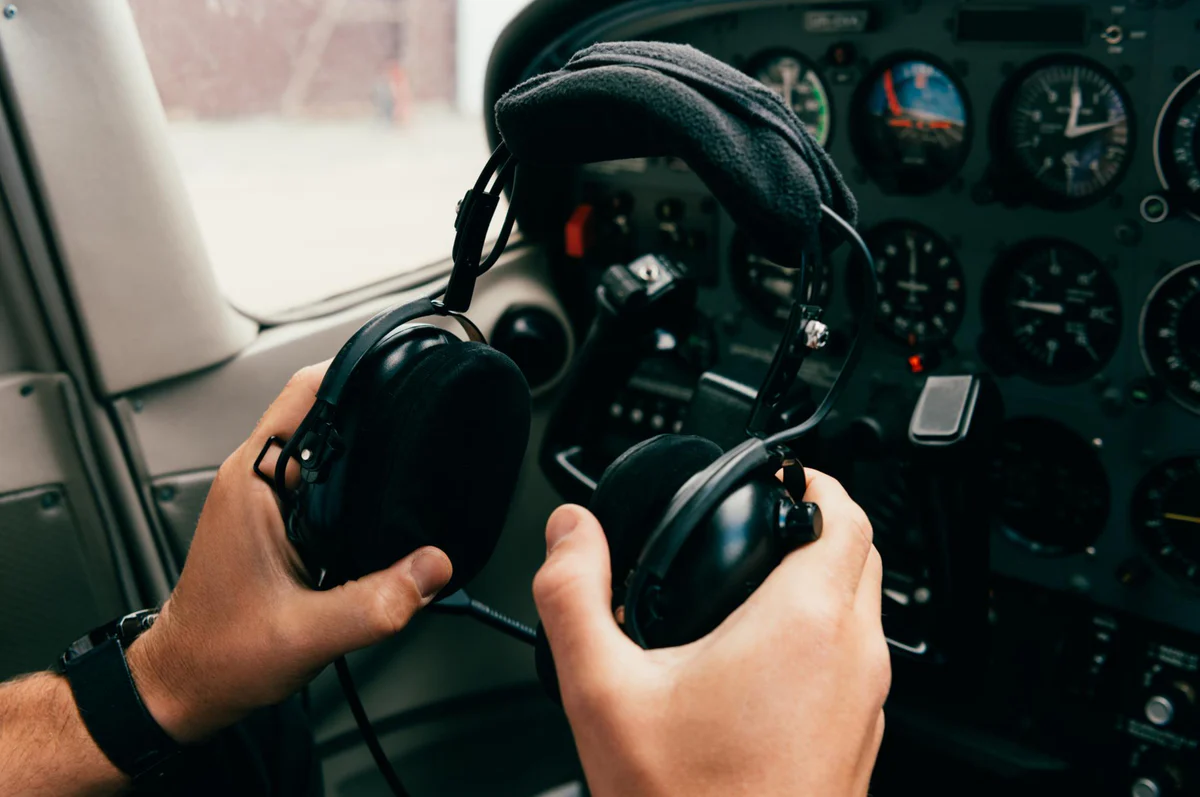
RTR (Aero) is an essential certification for pilots operating radio communication equipment. The examination is conducted by WPC and evaluates knowledge of radio telephony procedures, phraseology and communication discipline. Students must understand ICAO standard phraseology, distress and urgency procedures, position reporting and communication protocols. Practicing real-life ATC-pilot conversations and mock viva sessions can help candidates perform confidently during the exam.
Read More
How To Become A Pilot In India
Becoming a pilot in India requires fulfilling several academic, medical and training requirements. Students must first complete Class 12 with Physics and Mathematics. After obtaining a DGCA Class 2 medical certificate, they can begin ground school training and clear DGCA theory examinations. After that, flying training is conducted at an approved Flying Training Organisation (FTO) to accumulate the required flight hours before obtaining the Commercial Pilot Licence.
Read More
Aviation Meteorology Simplified
Weather plays a critical role in aviation safety and flight planning. Aviation meteorology focuses on understanding atmospheric conditions such as pressure systems, temperature variations, wind patterns and cloud formations. Pilots must interpret weather reports including METAR and TAF, understand phenomena such as turbulence, icing and thunderstorms, and make safe operational decisions based on weather conditions.
Read More
Important Topics In Technical General
Technical General is one of the most important subjects in DGCA CPL theory examinations. It covers aircraft structures, aerodynamics, piston and turbine engines, fuel systems, electrical systems and aircraft limitations. Students should focus on understanding system functioning rather than rote learning. Visual diagrams and practical examples help in better understanding of aircraft systems and improve performance in the examination.
Read More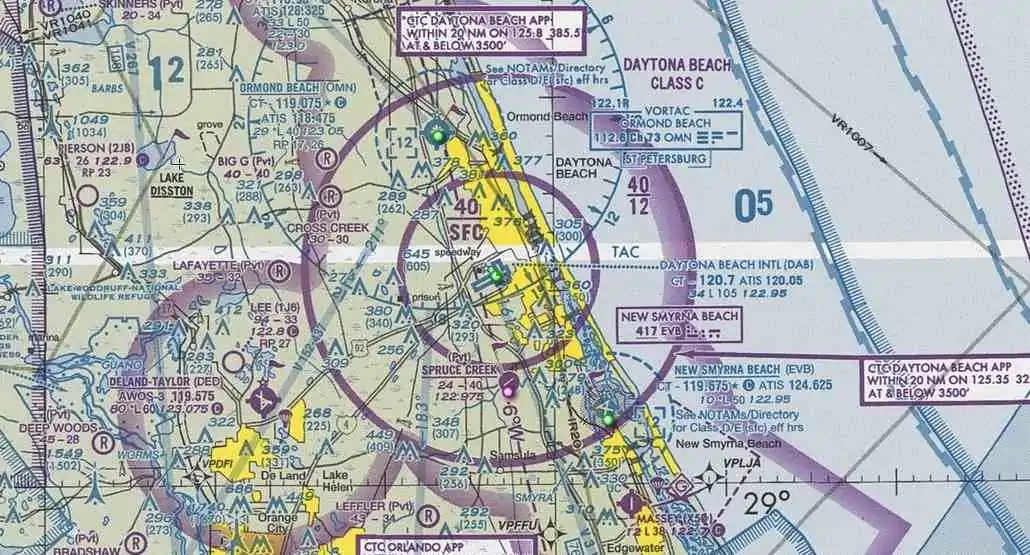
Air Navigation Concepts For Student Pilots
Air Navigation teaches pilots how to determine aircraft position and safely navigate from one point to another. It includes concepts such as dead reckoning, radio navigation aids, flight planning, wind correction angle and time-distance calculations. Understanding navigation principles is essential not only for passing the DGCA exam but also for safe real-world flight operations.
Read More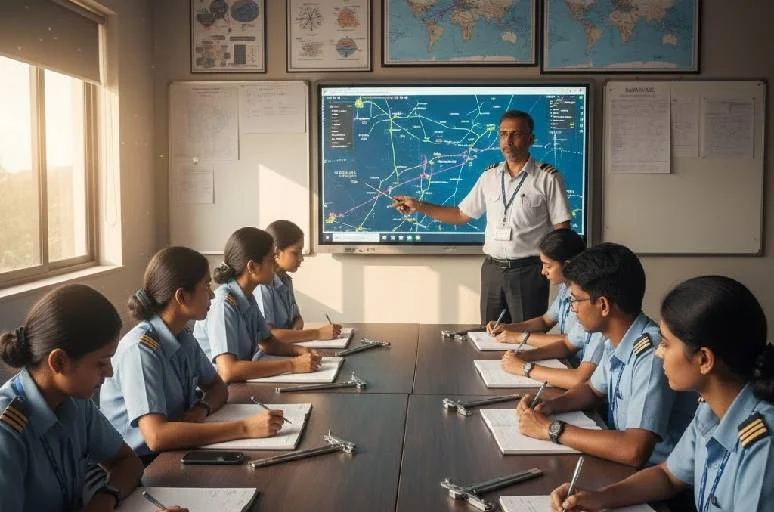
DGCA CPL Subjects Explained
The DGCA CPL examination consists of multiple theoretical subjects that form the foundation of professional pilot training. These include Air Navigation, Aviation Meteorology, Technical General, Air Regulations and Radio Telephony. Each subject contributes to the pilot’s ability to operate aircraft safely, interpret aviation information and comply with international aviation regulations.
Read More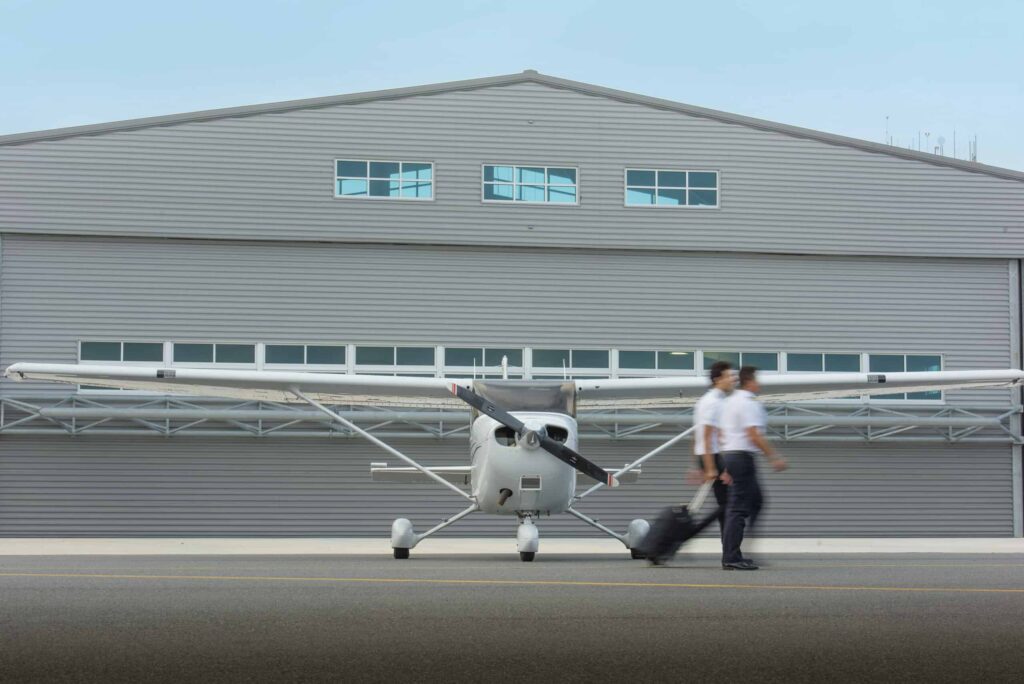
Pilot Training in India vs Abroad – Complete Guide for Aspiring Pilots
The DGCA CPL examination consists of multiple theoretical subjects that form the foundation of professional pilot training. These include Air Navigation, Aviation Meteorology, Technical General, Air Regulations and Radio Telephony. Each subject contributes to the pilot’s ability to operate aircraft safely, interpret aviation information and comply with international aviation regulations.
Read More
Protect your aviation career now!
Send in an inquiry to get your Pilot experience started. Experience the infrastructure and capabilities of CPAC's premier flying training facility by visiting the Academy.
Enquire